November 21, 2026
Concrete Sealing After Pressure Washing: Is It Necessary?
By @dominickalgb949
A thorough pressure wash can dramatically transform the appearance of a Parramatta property. Slabs, pathways, and driveways that were once coated in grime, exhaust soot, and slippery moss quickly regain their bright, clean appearance. However, once the surface dries and the dust settles, property owners face an important question: is concrete sealing after pressure washing strictly necessary, or is it an optional extra?
While sealing is not legally mandatory, treating it as an afterthought often leads to regret. In Western Sydney's distinct microclimate, skipping this protective step typically cuts the lifespan of your clean surface in half, leaving the bare concrete vulnerable to accelerated wear and permanent staining.
What Pressure Washing Actually Does to Concrete
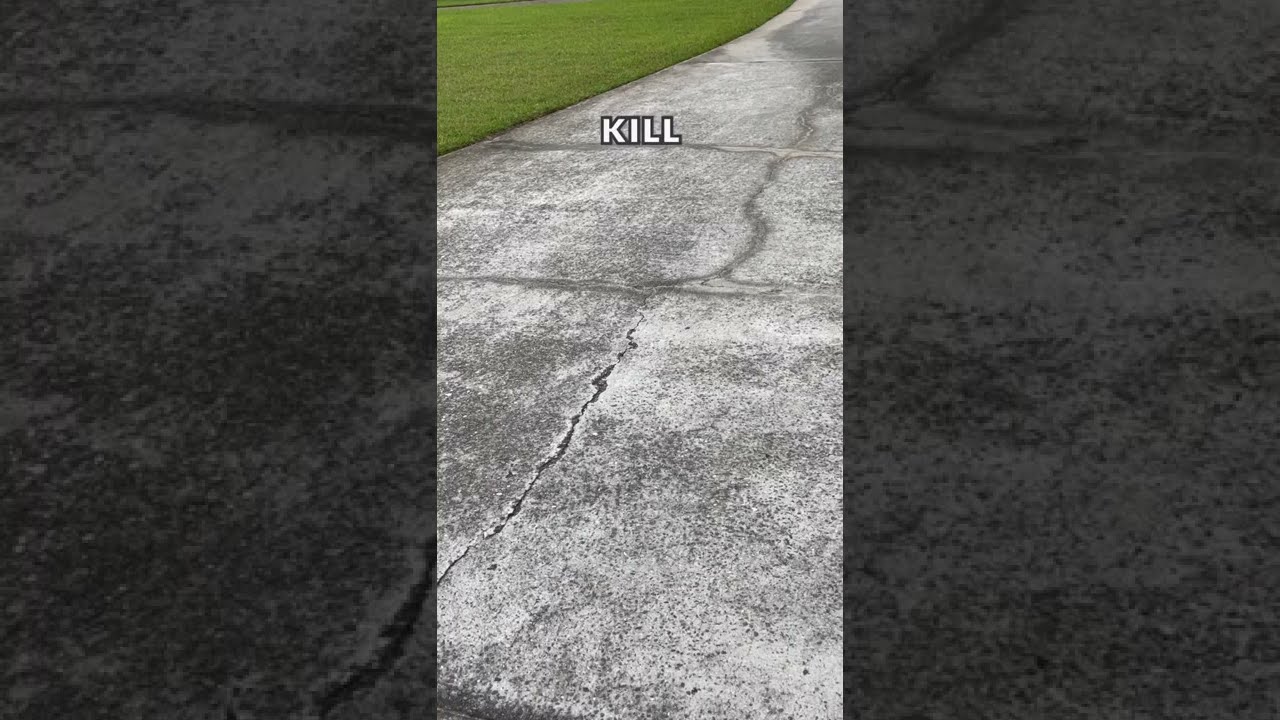
Concrete looks solid and impenetrable, but it is actually a porous composite material resembling a hard sponge. Over months and years, dirt, mould spores, https://gregorypfxc287.theburnward.com/pressure-washer-safety-essential-gear-for-every-homeowner engine oils, and organic tannins seep into microscopic capillaries beneath the surface.
High-pressure water cleaning uses commercial-grade pressure to flush these contaminants out of the pores. While this restores the appearance of the slab, it also removes any remaining surface barriers and leaves those microscopic pores wide open to the elements. Unsealed concrete behaves like an open sponge, ready to absorb whatever spills or settles on it next.
Key Benefits of Sealing Concrete in Parramatta
Parramatta experiences higher summer temperatures, intense UV exposure, and heavy seasonal storms compared to coastal Sydney suburbs. These conditions make unprotected concrete especially susceptible to premature ageing and moisture-related damage.
- Stain Resistance: A sealed surface prevents oil drops, grease, tyre marks, and leaf tannins from penetrating deep into the slab, making future clean-ups quick and painless.
- Protection Against Moisture and Salt: Sealing prevents rainwater from soaking into the slab, drastically reducing surface spalling, efflorescence (white mineral crusts), and micro-cracking caused by temperature fluctuations.
- Sustained Mould and Mildew Defence: Modern sealers contain anti-fungal agents that stop black mould, green algae, and lichen from anchoring into the concrete pores during humid summer months.
- UV and Colour Preservation: Intense sunlight breaks down unprotected concrete binders and causes decorative finishes, exposed aggregate, and coloured concrete to fade. Quality sealers shield the surface from harmful ultraviolet radiation.
Modern Concrete Sealers in 2026
Sealer technology has advanced significantly, moving away from high-solvent products that leave an unnatural, slippery sheen. In 2026, property owners across New South Wales predominantly choose between two advanced categories:
Penetrating Sealers (Silanes and Siloxanes)
Penetrating sealers react chemically with the minerals inside the concrete to create an invisible, hydrophobic barrier below the surface. They do not alter the texture, colour, or slip resistance of the concrete, making them the preferred choice for steep driveways, pool surrounds, and high-traffic pedestrian footpaths.
Topical Sealers (Low-VOC Acrylics and Polyurethanes)
Topical sealers form a protective film over the concrete. Available in matte, semi-gloss, and high-gloss "wet look" finishes, these sealers enhance colour depth on stamped or stencilled decorative concrete while creating an impenetrable top barrier against chemical spills and abrasion.

Best Practices: When to Apply Sealer After Cleaning
Rushing the sealing process is the most common reason for coating failure. Applying a topical sealer over trapped moisture creates a cloudy, milky haze that is difficult and costly to rectify.
- Ensure Adequate Drying Time: Concrete must dry thoroughly for at least 24 to 48 hours of clear weather following pressure washing before any sealer is applied.
- Monitor Local Weather: Choose a dry day with moderate temperatures. Applying sealers in extreme heat causes the solvent or carrier agent to flash dry too quickly, resulting in bubbles and poor adhesion.
- Apply Even Coats: Two thin coats deliver superior durability and uniform coverage compared to a single heavy coat, which risks pooling and uneven curing.
Can You Ever Skip Sealing?
There are very few situations where skipping a sealer is advisable. If you plan to resurface, tile, or apply an epoxy coating to the slab in the near future, you should leave the concrete unsealed so future adhesives can bond properly. In virtually all other residential and commercial scenarios across Parramatta, leaving concrete unsealed simply invites dirt, stains, and organic growth to return much faster.
The Verdict
Is concrete sealing necessary after pressure washing? Technically, no; practically, absolutely. Pressure washing cleans the surface, but sealing protects your investment. Investing in a quality, climate-appropriate sealer ensures your driveway, patio, or walkway remains pristine, durable, and easy to maintain for years to come.
Parramatta Pressure Cleaning
(02) 9538 7943
❧